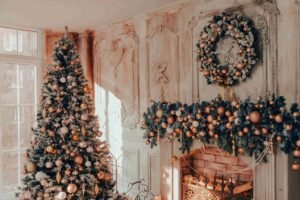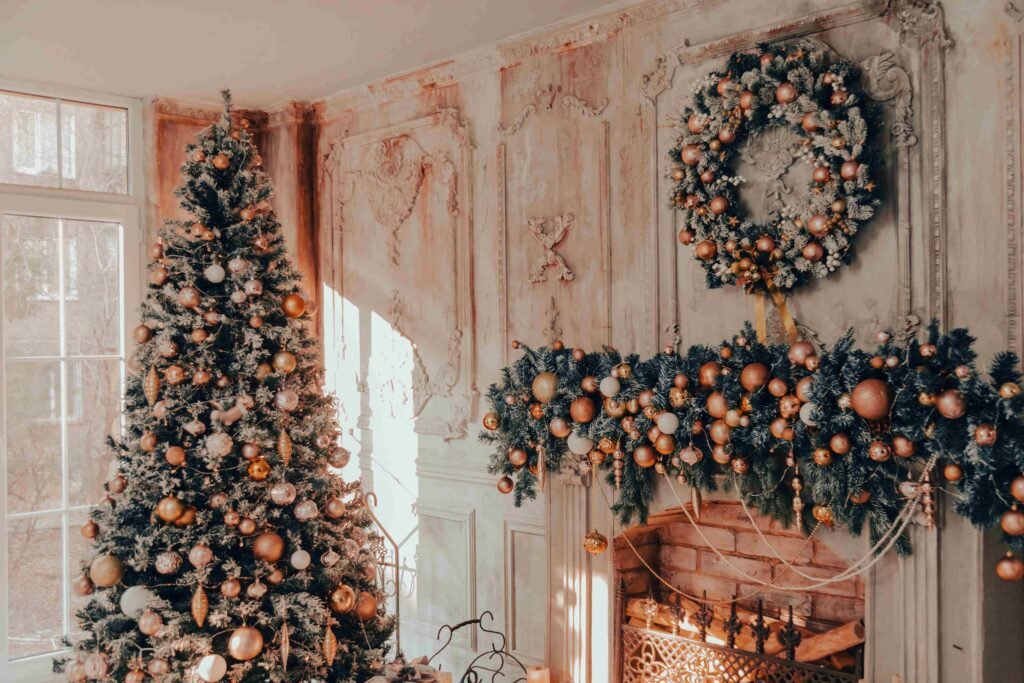
Christmas interiors in 2026 are taking a more personal approach to festive decorating. Rather than relying on perfectly coordinated decorations or a single colour scheme, this year’s look celebrates rich colours, nostalgic details, natural materials and ornaments with a little history behind them.
From deep burgundy and forest green to oversized velvet bows, vintage glass baubles and beautifully dressed dining tables, the emphasis is on creating a home that feels warm, inviting and full of character. Traditional Christmas decorating is returning, but with a contemporary sensibility that makes it feel fresh.
Whether you are planning an entirely new festive scheme or simply looking to refresh your existing decorations, timeless picks these best Christmas interior trends for 2026 worth bringing into your home.
The Christmas interior trends shaping 2026
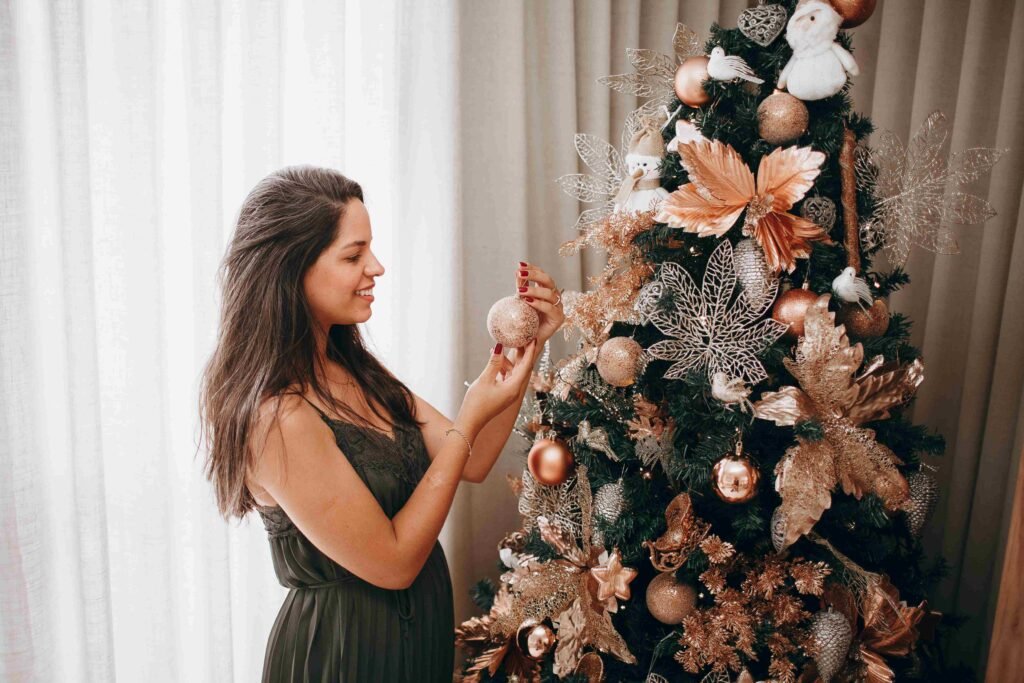
The most interesting Christmas decorating ideas this year share a common thread: individuality. Homes are moving away from overly polished displays towards more expressive arrangements, where treasured decorations sit alongside new discoveries.
Retail collections from John Lewis, Cox & Cox and other established homeware names reflect this renewed appreciation for nostalgia, traditional colours, tactile materials and playful festive accessories. The following trends offer inspiration for creating a Christmas interior that feels considered without losing its sense of fun.
Burgundy, Berry and Forest Green
Deep, atmospheric colours are defining Christmas interiors in 2026. Burgundy, cranberry, plum and forest green offer a richer alternative to the familiar red-and-gold combination, bringing warmth and depth to both traditional and contemporary spaces.
For a refined Christmas living room, introduce burgundy velvet cushions, dark green foliage and a selection of wine-coloured glass baubles. Antique brass candle holders and warm white lighting provide a softer contrast, whilst cream textiles prevent the darker palette from feeling too heavy.
This colour combination works particularly well in rooms with wooden furniture, natural stone fireplaces and traditional architectural details.
Velvet Bows and Statement Ribbons
The bow trend continues to influence Christmas decorating, with generous ribbons becoming an important part of festive styling. In 2026, velvet, satin and textured fabric ribbons are being used well beyond the Christmas tree.
Oversized burgundy bows can bring character to staircase garlands, wreaths, dining chairs and even door handles. For a more understated approach, choose narrow velvet ribbon in chocolate brown, deep red or forest green and tie it loosely around individual branches.
The key is to avoid making every bow identical. Different sizes and natural folds create a more relaxed, collected appearance.
Nostalgic Christmas Decorations
There is renewed affection for Christmas decorations that recall childhood celebrations and family traditions. Vintage-inspired glass baubles, traditional wooden figures, miniature houses and handmade ornaments are finding their place alongside contemporary festive accessories.
Rather than replacing an entire collection, bring together decorations from different years and styles. An older glass ornament can sit beautifully beside a recently purchased ceramic decoration, whilst inherited pieces add a personal quality that new decorations cannot replicate.
For inspiration, look towards traditional Christmas collections and characterful ornaments at established British retailers. The result should feel like a collection gathered over time rather than a showroom display.
Natural Woodland Christmas Styling
Natural Christmas decorations remain a beautiful choice for those who prefer a quieter, more organic interior. Evergreen branches, pine cones, dried orange slices, eucalyptus and wooden ornaments introduce texture without overwhelming a room.
A simple arrangement of seasonal foliage across a dining table can become an elegant centrepiece when paired with brass candlesticks and natural linen. At the entrance, a wreath made with fresh greenery and understated ribbon creates a welcoming first impression.
For Christmas 2026, the woodland look works particularly well when combined with warm neutrals, aged wood and soft candlelight. It is an approach that feels timeless and can be adapted to both country homes and contemporary city interiors.
Heritage Tartan and Traditional Checks
Tartan, plaid and gingham are returning to Christmas interiors, bringing a sense of British heritage and familiarity to festive rooms. These traditional patterns are being used in a more considered way, appearing on cushions, table linen, stockings and decorative ribbons.
A tartan throw across an armchair or a checked tablecloth can introduce seasonal character without requiring an entirely new decorating scheme. For a more sophisticated finish, choose patterns in muted burgundy, dark green, navy and cream.
The most successful approach is to combine patterned textiles with simpler surroundings. Let one or two checks become the focal point, balancing them with plain upholstery and natural materials.
Metallic Finishes and Warm Candlelight
Metallic Christmas decorations are moving towards warmer, softer finishes. Brushed gold, aged brass, champagne tones and antique silver offer a more subtle alternative to highly reflective glitter.
Introduce these finishes through candle holders, decorative bowls, glass ornaments and table accessories. A collection of brass candlesticks arranged at different heights can bring atmosphere to a mantelpiece or dining table, particularly when paired with fresh foliage.
Lighting is equally important. Warm white fairy lights, shaded lamps and carefully positioned LED candles create a gentle glow throughout the home. Layering different sources of light makes festive interiors feel more inviting as the evenings draw in.
Playful Kitsch and Food-Inspired Decorations
Not every Christmas interior needs to be restrained. One of the more playful directions for 2026 is the return of colourful, food-inspired and whimsical decorations.
Gingerbread houses, miniature cakes, candy canes, cherries and novelty glass ornaments bring personality to Christmas trees and kitchen displays. These decorations work particularly well alongside traditional baubles, allowing a little humour without making the entire room feel themed.
For a more sophisticated interpretation, keep the playful details to one area. A kitchen shelf, drinks trolley or secondary Christmas tree can become a small celebration of colour and character.
The Art of Christmas Tablescaping
Christmas dining tables are receiving as much attention as the Christmas tree in 2026. Rather than relying entirely on decorative centrepieces, the focus is on thoughtful layers of table linen, beautiful glassware, candlelight and seasonal details.
Start with a linen or cotton tablecloth, then introduce folded napkins, polished cutlery and elegant glassware. A central arrangement of evergreen branches, seasonal fruit and slender candles creates a natural focal point without taking up too much room.
Personalised place cards, velvet ribbon around napkins and traditional crackers can complete the arrangement. For a more contemporary look, combine classic festive colours with understated ceramics and simple tableware.
How to Bring the Christmas Trends into Your Home
The most successful festive interiors do not necessarily follow every new trend. Instead, choose one colour palette or decorating direction and build around pieces you already own.
If your home has a traditional interior, burgundy, tartan and antique metallics will feel particularly natural. Contemporary spaces can benefit from a more restrained combination of forest green, cream, natural wood and sculptural decorations.